The kitchen, once the most traditional room in the home, is now arguably the most technologically advanced. Cooking is no longer just about heat and ingredients; it’s a dynamic interplay between temperature precision, ingredient science, and artificial intelligence. The integration of modern technology is not stripping the joy from cooking. Rather, it is democratizing culinary excellence, allowing home cooks and professional chefs alike to achieve consistent. High-quality results while minimizing waste and maximizing efficiency.
Welcome to the digital kitchen, where sensors, algorithms, and connectivity are the new essential ingredients.
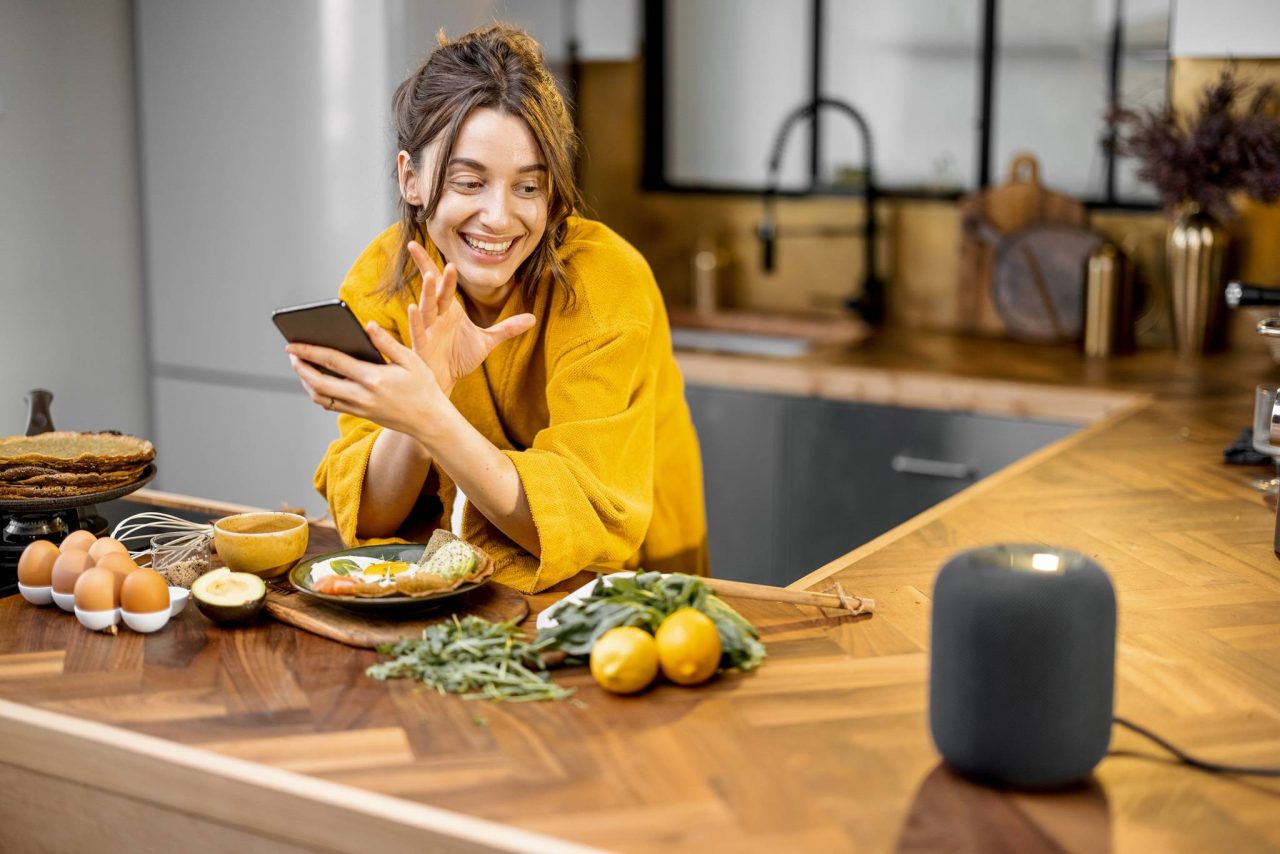
1. Precision Cooking: The End of Guesswork
The most significant immediate impact of tech in cooking is the move from approximate methods to absolute precision. This shift is drive by smart appliances that eliminate the variability inherent in traditional techniques.
- Induction Cooktops and Temperature Probes: Modern induction cooktops, paired with Bluetooth-enabled temperature probes. Allow cooks to set and maintain an exact temperature (e.g., $92^\circ C$ for a perfect simmer or $63^\circ C$ for pasteurization). This eliminates hot spots and ensures repeatable results, critical for delicate sauces and confectionery.
- Sous Vide and Immersion Circulators: Once restricted to high-end restaurants, immersion circulators have made “sous vide” cooking commonplace. This technique uses precise water temperature control to cook food perfectly. And evenly from edge to edge, making dry chicken breast or overcooked steak virtually impossible. This level of precision is the foundation of modern culinary science.
2. The Smart Kitchen Ecosystem and AI Assistance
The next frontier involves connecting all kitchen components into a cohesive, intelligent system, leveraging the power of Ambient Invisible Intelligence.
- Recipe Integration and Guided Cooking: New smart ovens and cooktops don’t just follow recipes; they guide the user through them. By recognizing ingredients placed on a scale or measuring the exact temperature of a pan. The appliance can automatically adjust heat levels, alert the cook to the next step, or even pause the process if a variable is out of spec.
- AI and Inventory Management: Using tiny cameras and integrated scales, the modern smart fridge goes beyond listing ingredients. It uses image recognition and AI to track expiration dates, suggest recipes based on what needs to be consumed first, and automatically generate grocery lists. Some systems even optimize food storage conditions based on the contents. For example, automatically lowering the humidity in a crisper drawer containing delicate herbs.
- Troubleshooting and Maintenance: AI-powered diagnostics can predict when an appliance component might fail. Or alert the user to an efficiency issue (like a blocked filter), turning reactive repairs into proactive maintenance.
3. Fighting Food Waste Through Technology
Food waste is a major global and household problem. And technology is providing some of the most effective solutions by improving storage and tracking.
- Atmosphere Control: Beyond the smart fridge, specialized countertop devices use vacuum sealing and atmosphere control ($\text{CO}_2$ or nitrogen flushing). To dramatically extend the shelf life of produce, meats, and prepared meals. These devices often communicate with an app to remind the user how long an item has been stored and when it should be consumed.
- Portioning and Preparation Robotics: In commercial and advanced home kitchens, robotic arms and high-precision cutting machines can minimize preparation waste by optimizing cuts and portion sizes. This is particularly valuable in high-volume settings where consistency and efficiency are paramount.
4. Personalization and Dietary Health
Tech in the kitchen is driving a hyper-personalized approach to diet and health, moving away from generalized recipes.
- Nutrient Tracking and Customization: Smart scales and nutrient analyzers can provide real-time macronutrient and calorie counts as you prepare a meal. Advanced recipes can be automatically adjusted by AI based on a user’s health profile (e.g., reducing sodium for a hypertensive user or increasing protein for an athlete).
- 3D Food Printing: Though still niche, 3D printing technology is making strides in creating custom food structures, textures, and personalized nutrient bars. This technology holds future potential for specialized dietary needs, hospital meal preparation, and creating visually complex, sustainable food alternatives.
Conclusion: The Future is Flavorful and Frictionless
The digital kitchen represents the ultimate fusion of efficiency and creativity. Technology is taking over the tedious, error-prone aspects of cooking—temperature monitoring, timing, and inventory—allowing the cook to focus purely on the art of flavor development and presentation. The widespread adoption of precision tools and AI-driven assistance is democratizing excellence, ensuring that consistent, restaurant-quality results are achievable in any home. As these technologies become more integrated and intuitive, the kitchen will solidify its role as the centerpiece of health, sustainability, and effortless culinary delight.