Bridging Theory and Practice for a Better Future

In the modern era, we often treat “science” and “know-how” as interchangeable terms, but they represent two distinct, yet deeply intertwined, pillars of human progress. Science is the systematic study of the structure and behavior of the physical and natural world through observation and experiment. It is the pursuit of “know-why.” On the other hand, know-how—often referred to as tacit knowledge or technical expertise—is the practical ability to get things done. It is the “know-how-to.”
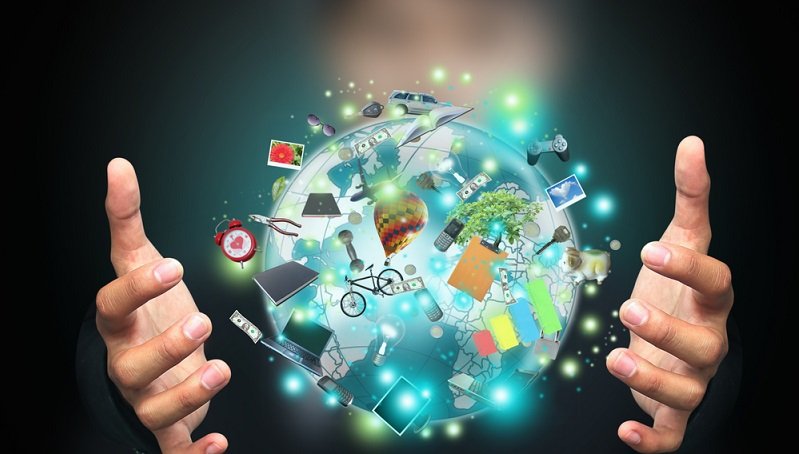
The history of human advancement is not just a story of brilliant theories, but a narrative of how those theories were translated into reality through craftsmanship, engineering, and trial-and-error. In 2026, as we face increasingly complex global challenges, the marriage of high-level science and grounded know-how has never been more critical.


The Theoretical Foundation: Why Science Matters

Science provides the map. Without the fundamental laws of physics, chemistry, and biology, our attempts to … Read more
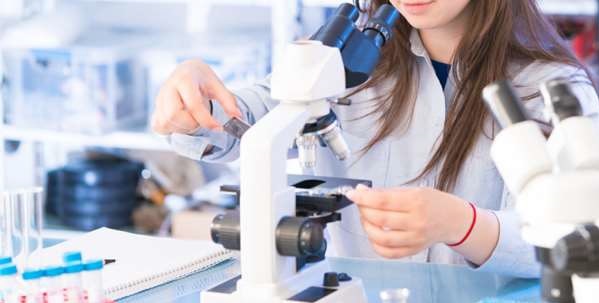
Mapping the Frontiers of Science and Technology Development

We are currently living through what historians may one day describe as the “Great Acceleration.” The traditional boundaries between biological systems, physical hardware, and digital intelligence are not just blurring—they are dissolving. In 2026, the development of science and technology has moved beyond the mere creation of new gadgets. It has become a fundamental redesign of the human experience. From the way we treat terminal diseases to the methods we use to power our cities. The current trajectory of innovation is focused on solving the existential challenges of the 21st century.

Understanding this landscape requires a deep dive into the core sectors where breakthrough developments are occurring. Artificial Intelligence, Biotechnology, Quantum Computing, and Sustainable Energy.


The Era of Agentic Artificial Intelligence

Artificial Intelligence (AI) has transitioned from a passive tool into an active collaborator. We have moved past the era of simple generative models that merely produce text or … Read more

12 Cool Devices Redefining Life in 2026

The rapid pace of technological innovation has always been a source of fascination, but 2026 feels like a true tipping point. We have moved past the era of incremental updates and entered a phase where gadgets are becoming more intuitive, sustainable, and seamlessly integrated into our physical reality. From spatial computing headsets that blur the line between digital and physical, to smart home tools that act with genuine intelligence, the current crop of devices is nothing short of extraordinary.

For the modern enthusiast, staying ahead of the curve means looking for tools that offer more than just novelty. The following 12 devices represent the pinnacle of current engineering, offering a glimpse into a more connected and efficient future.


1. Apple Vision Pro XR

While the original Vision Pro introduced us to spatial computing, the 2026 XR iteration has perfected it. By slimming down the form factor and significantly increasing battery … Read more

Building the Bridge Between People and Machines

The evolution of technology is fundamentally a story of increasing connection. We are rapidly moving past the era where interaction with machines meant complex commands and cumbersome interfaces. Today, the most critical advancements are focused on creating a seamless bridge between people and machines—a frictionless layer that allows humans to communicate naturally, intuitively, and effectively with the artificial intelligence and complex systems that increasingly power our world.

This bridge is not a single technology but a dynamic ecosystem encompassing everything from natural language processing to brain-computer interfaces. Understanding the components and implications of this seamless interface is essential for navigating the future of work, life, and communication.

The Foundation: Moving Beyond the Keyboard

For decades, the keyboard and mouse were the primary translators between human intent and digital execution. While functional, they represent a significant barrier—a requirement for humans to adapt their natural modes of communication to the machine’s … Read more

Understanding the Types of Telephones That Define Our Modern World

The term “telephone” once referred exclusively to a wired device sitting on a desk, but in the modern era, it encompasses a vast spectrum of communication technology. From the ubiquitous pocket-sized computer to specialized business systems, the fundamental purpose remains the same—connecting human voices across distances—yet the methods and capabilities have diversified dramatically. For anyone looking to choose the right communication tool, whether for personal use, business operations, or specific industry needs, understanding the major types of telephones available today is essential.

This article delves into the core categories of modern telephony, exploring the features, advantages, and primary uses that define each type of good telephone.

1. The Mobile King: Smartphones

The smartphone is, without question, the dominant form of personal communication globally. It is less a simple telephone and more a highly powerful, portable computing device that also happens to make calls.

  • Definition and Core Function: A
… Read more