The global electronics market is often dominated by a few household names, but for those who know where to look, a parallel universe of innovation exists. China, particularly the tech hubs of Shenzhen and Guangzhou, has become a breeding ground for “rare” gadgets—devices that are either highly specialized, delightfully niche, or ahead of their time, all while maintaining an incredibly low price point. These are not your standard smartphones or tablets; these are the curiosities of the digital age that offer unique utility without breaking the bank.
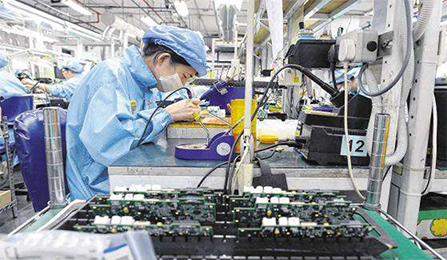
In 2026, the boundary between “cheap” and “high-tech” has vanished. Finding these rare electronics requires a bit of digital sleuthing on marketplaces like AliExpress, Banggood, or Taobao, but the rewards are well worth the effort.
The Rise of “Hyper-Niche” Hardware
One of the most fascinating aspects of the Chinese electronics market is its willingness to produce hardware for very specific needs. Unlike Western companies that aim for mass-market appeal, many Chinese manufacturers thrive by catering to “micro-niches.”
A prime example is the resurgence of ultra-portable mechanical keyboards with integrated displays. While major brands focus on standard gaming decks, independent Chinese labels are producing 60% layout keyboards that feature tiny OLED screens for system monitoring or custom animations, all for under $50. Another rare find is the low-cost logic analyzer. Once expensive tools reserved for electrical engineers, these pocket-sized devices now cost less than a fancy lunch, allowing hobbyists and students to deconstruct and understand the signals of their own household electronics.
AI-Powered Curiosities and “Smart” Nostalgia
The integration of Artificial Intelligence has reached the budget sector in ways that are both practical and whimsical. Recently, we have seen the emergence of AI-powered “Pocket Pets” that go far beyond the Tamagotchis of the 90s. These rare gadgets use small-scale Large Language Models (LLMs) to interact with their owners via voice, developing unique personalities over time. Priced remarkably low, they represent a new category of “emotional electronics.”
Furthermore, the “Smart Nostalgia” trend is in full swing. Rare gadgets like transparent retro-handhelds that can emulate consoles up to the PS2 era are now available for less than $70. These devices often feature high-quality Hall Effect joysticks (which prevent stick drift) and vibrant IPS screens—features that were considered premium just a few years ago. The rare factor comes from the limited production runs of specific colorways or “extreme” transparent shells that pay homage to the tech aesthetic of the late 90s.
Functional Oddities: Beyond the Smartphone
When we talk about rare Chinese gadgets, we must mention the “functional oddities”—tools that solve problems you didn’t know you had.
- Ultrasonic Cleaning Pens: These are portable, battery-operated sticks that use ultrasonic vibrations to remove stains from clothing or dirt from jewelry on the go. They are rare in Western retail but common in Asian marketplaces for under $20.
- Bone Conduction Lollipops: A true “weird tech” highlight of 2026. These are inexpensive devices that use bone conduction technology to play music directly into your inner ear while you enjoy a treat, demonstrating how sophisticated audio tech is being miniaturized into novelty forms.
- Modular Exoskeleton Braces: While professional medical exoskeletons cost thousands, budget “active braces” for hikers and the elderly are beginning to appear. These low-cost versions use simple motorized assistance to reduce the strain on knee joints during long walks, a rare example of high-end robotics reaching the consumer budget level.
The “Invisible” Innovation: High-Spec Components
Often, the rarity of a Chinese gadget isn’t in what it does, but in the components it offers for the price. For example, you can find budget “Paper Battery” power banks—ultra-thin, flexible chargers that use experimental zinc-carbon chemistry to provide a one-time emergency boost. They are rare because they occupy a space between a standard battery and a disposable one.
Similarly, the market is flooded with magnetic-levitation desk lamps and Holographic Fan Displays that create 3D visuals in mid-air. What makes these rare is their accessibility; five years ago, a holographic fan was a $500 centerpiece for trade shows. Today, a 12-inch version can be found for $35, allowing anyone to turn their home office into a scene from a sci-fi movie.
Tips for the Rare Gadget Hunter
Navigating the world of low-cost rare electronics requires a discerning eye. Because these products often come from smaller manufacturers, the documentation might be sparse. Expert hunters look for “Global Versions” to ensure English language support and check user-uploaded videos to verify the build quality.
It is also important to understand that these gadgets often represent the “beta test” of a technology. By buying a rare, low-cost device, you are often participating in the early stages of a tech trend before it is polished and marked up by a major international brand.
Conclusion: The Joy of Tech Discovery
The world of low-cost rare electronics from China is a testament to the sheer scale and speed of modern manufacturing. It is a place where “what if” becomes a physical product in a matter of weeks. While not every gadget will be a life-changing tool, the thrill of discovering a device that is unique, affordable, and genuinely innovative is a core part of the modern tech hobby.
Whether it’s a tiny AI pet, a transparent retro console, or an ultrasonic cleaning pen, these gadgets remind us that technology doesn’t always have to be serious or expensive to be impressive. They offer a playground for curiosity, proving that the most interesting things in the digital world are often found just off the beaten path. If you are willing to explore the depths of international marketplaces, you will find that the future isn’t just arriving—it’s already here, and it’s surprisingly affordable.